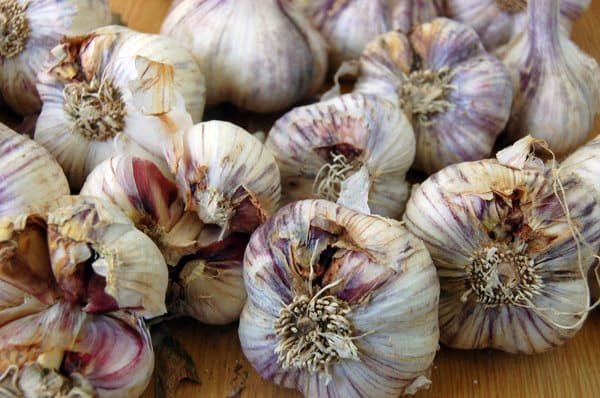
Garlic has long been valued for its healing properties and culinary qualities. That is why it can be found in almost every garden. However, garlic can become diseased, which may destroy the crop.
The most common garlic diseases
Even the strongest garlic varieties are not immune to such diseases:
-
white rot (Sclerotium cepivorum) – leaves turn yellow and rot at the base, white mold with black spots covers the bulbs;
-
with fusarium, the lower leaves turn brown, roots and basal plate rot;
-
rust (Puccinia allii) shows itself as reddish spots on the leaves;
-
bacterial rot makes the bulbs brown and gives them a foul smell;
-
nematode worms (Ditylenchus dipsaci) damage garlic, causing it to deform and rot.
Timely identification of the problem makes it possible to solve it and save the harvest.
Prevention and crop protection
To preserve the health of garlic and ensure a good harvest, it is important to protect the plants before diseases appear.
Crop rotation
If garlic is constantly planted in the same place, pathogens will accumulate in the soil. To avoid this, it is necessary to:
-
return garlic beds to the same spot no sooner than after 4 years;
-
plant garlic where cereals, tomatoes, or legumes were previously grown.
Garlic should not be planted in beds where onions or lilies were grown.
Site sanitation
Remains of old plants can be a dangerous source of disease. Therefore, all residues should be removed after harvest, and the beds should be carefully dug over in autumn. Using special organic biodegraders is a good way to maintain cleanliness in the fields.
Using healthy seed
Diseases often hide in damaged seed. Therefore, it is important to carefully check it and select undamaged, firm, and whole cloves. Before planting, the seed should be treated with a biofungicide solution or potassium permanganate. It is best to store it in a dry place with good ventilation.
Moisture and drainage
Rot and fungi thrive in dampness. Therefore, garlic should not be overwatered. Heavy soils require good drainage. Garlic beds should be raised or arranged on ridges.
Biological agents and fertilizers
Balanced nutrition can provide plants with good immunity:
-
before sowing, add humus or compost;
-
use beneficial rhizobacteria, trichoderma, and other growth biostimulants.
It is important to remember that an excess of nitrogen fertilizers may promote fungal diseases.
Plant protection
At the first signs of disease, quick action is required:
-
apply biofungicides;
-
in severe cases, chemical products may be used;
-
treatments should only be carried out in calm and dry weather.
Using a full set of measures will allow you to harvest a good crop without poisoning it with aggressive chemicals.
A good garlic harvest depends on the right decisions. UDAZ offers turnkey services that guarantee protection against diseases. The company provides expert consultations, supplies Zocapi equipment, and helps develop a successful strategy for achieving a stable and high-quality garlic yield.